Pinkneys Green bulky rubbish clearance for garden waste
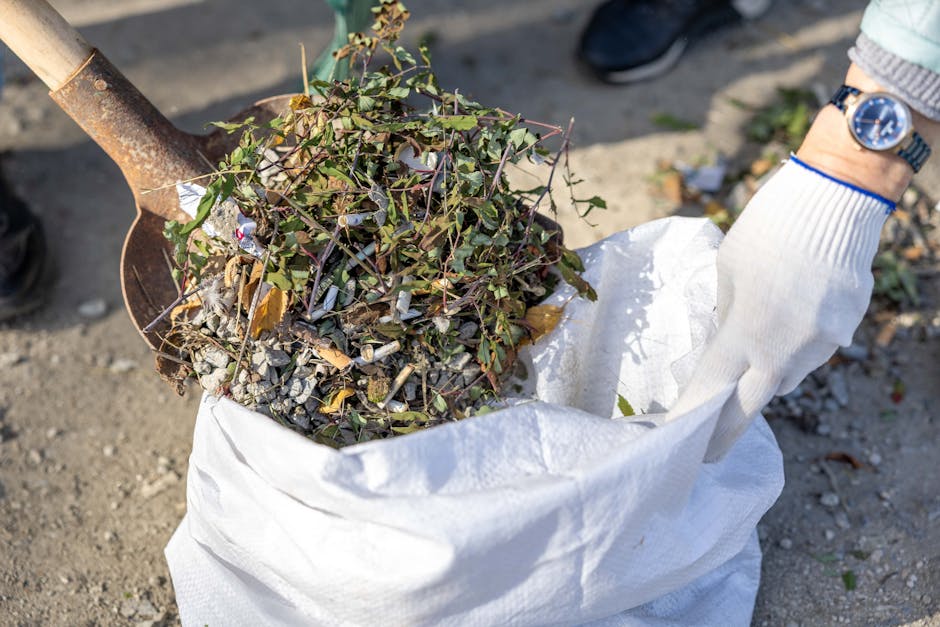
If your garden has quietly turned into a pile of branches, turf, hedge cuttings, broken pots, old timber, and the odd bag of soil, you are not alone. Pinkneys Green bulky rubbish clearance for garden waste is the straightforward way to get that mess lifted, sorted, and taken away without turning your weekend into a two-day loading session. It suits anyone dealing with a post-prune clear-up, a redesign, storm debris, or simply a garden that has got ahead of them. And let's be honest, garden waste has a habit of looking manageable until you actually start moving it.
This guide explains what the service is, how it works, what to check before booking, and how to avoid the little mistakes that make clearance jobs slower, pricier, or more stressful than they need to be. You will also find practical tips, a comparison table, a checklist, and answers to the questions people usually ask right before they book.
Why Pinkneys Green bulky rubbish clearance for garden waste Matters
Garden waste is not just "green stuff". In a real garden job, it is usually a mixed load: prunings, ivy, soil, roots, broken planters, old fencing offcuts, rotten sleepers, and sometimes a tired patio chair that somehow ended up outside and stayed there. Clearing it properly matters because these materials can become heavy fast, and they are often awkward to store, lift, or transport safely.
In Pinkneys Green, where many homes have decent outdoor space but limited side access or tight parking, bulky rubbish can build up in corners that are annoying to reach and harder still to remove. A proper clearance service helps turn that awkward pile into something manageable. More importantly, it can prevent the job from dragging on for weeks. You know the kind of job: one bag today, two bags tomorrow, then a half-finished pile by the shed that keeps staring at you every time it rains.
There is also a practical environmental angle. Garden waste, when separated correctly, is often suitable for composting, mulching, or other recovery routes rather than general disposal. That is good news for anyone who prefers a cleaner, tidier finish and a more responsible end point for the waste. If your project also includes mixed household items or more general decluttering, services such as home clearance or waste removal can sit neatly alongside garden work.
Expert summary: the best garden clearance jobs are rarely the biggest ones; they are the ones where waste is sorted early, access is planned properly, and the load is removed in one clean sweep.
How Pinkneys Green bulky rubbish clearance for garden waste Works
Most garden clearance jobs follow a fairly simple pattern, though the details matter. A quote is usually based on the type and volume of waste, the ease of access, and whether the load is mostly green waste or a mix of garden and bulky items. That mixture point is important. A pile of hedge trimmings behaves very differently from a pile of wet soil, old concrete edging, broken fencing, and branches. One is light but bulky. The other is a back-breaking monster. Fair warning.
Once the job is agreed, the clearance team typically arrives, assesses the load, removes the items, and separates what can be recycled or processed. In some cases, customers will be asked to group waste into piles or bags first. In other cases, the crew handles everything from start to finish. Either way, good communication before the visit saves time on the day. If you have a narrow path, a rear access gate, or a garden tucked behind the property, say so early.
For larger jobs, it helps to think in categories:
- Green waste: grass cuttings, leaves, hedge trimmings, weeds, and small branches.
- Bulky garden waste: timber, fence panels, old sheds, sleepers, planters, pergolas, and broken outdoor furniture.
- Heavy inert waste: soil, rubble, bricks, paving offcuts, and stones.
- Mixed outdoor clutter: plant pots, hose reels, compost sacks, children's play equipment, and general items left outside.
That distinction helps because it affects loading time, vehicle space, and what can be diverted for recycling. If the waste includes items from a wider declutter as well, browsing related services such as garage clearance or loft clearance can be useful when one job tends to spill into another. It happens more often than people admit.
Key Benefits and Practical Advantages
The obvious benefit is that your garden becomes usable again. But the less obvious benefits are often the ones people appreciate most a week later, when they are not tripping over a pile of rotten wood or looking at a black sack mountain by the fence.
- Time saved: no repeated car journeys to a disposal point, no sorting through awkward loads by yourself.
- Safer handling: heavy or sharp waste can be removed with the right lifting approach.
- Cleaner finish: a good clearance leaves the space ready for planting, landscaping, or just sitting down with a cup of tea.
- Better sorting: green waste and reusable materials can be separated more effectively than in a rushed DIY job.
- Less disruption: a planned collection usually avoids the endless "I'll do it next weekend" cycle.
There is also something quietly satisfying about seeing a messy corner turn back into a clear one. Not dramatic, maybe, but very real. You notice the light differently in the garden once the clutter is gone. The whole space breathes a bit more.
For homeowners comparing options, it can help to look at broader clearance pages such as garden clearance and furniture clearance if the job includes outdoor seating, broken storage, or mixed bulky items. That kind of joined-up planning usually works better than treating every item as a separate mini-problem.
Who This Is For and When It Makes Sense
Pinkneys Green bulky rubbish clearance for garden waste is a good fit for a wide range of people. You do not need a huge project for it to make sense. In fact, smaller jobs often benefit the most because they are the ones people keep putting off.
It makes sense if you are:
- tidying after a major prune or hedge cut
- clearing an overgrown garden before a sale or rental handover
- disposing of old fencing, timber, or broken garden structures
- removing soil, turf, or rubble from landscaping work
- dealing with storm damage, fallen branches, or wind-blown debris
- combining garden work with a broader declutter of outdoor storage areas
It is also a smart choice for people who want the job handled quickly and neatly rather than trying to organise skip hire, loading, permits, and sorting all on their own. That said, if the waste is mostly loose green material and you already have composting arrangements, DIY may work for very small amounts. The trick is to be honest with yourself. A few garden bags? Fine. A soggy heap of branches, roots, and broken slabs? That is another story.
Renters, landlords, letting agents, and homeowners preparing for inspections often find garden clearance especially useful. A tidy outside space gives a better first impression than most people expect. It is the sort of thing people notice in the first ten seconds, before they even realise they are noticing it.
Step-by-Step Guidance
If you want the job to go smoothly, the simplest approach is usually the best. Here is a practical sequence that works well in real life.
- Walk the garden first. Look at what actually needs removing. Separate green waste from heavy waste and general clutter.
- Check access. Measure gate width, note steps, think about where a vehicle can stop, and flag any tight corners.
- Identify awkward items. Soil, wet turf, broken concrete, large roots, and fence panels all affect the load in different ways.
- Decide what stays. If you want to keep pots, tools, or usable timber, move them aside before the visit. That sounds obvious, but it saves awkward mistakes.
- Ask for a clear quote. Make sure the price basis is understood, especially if the load may grow once clearing starts.
- Prepare the area. Put pets safely inside, clear a path to the waste, and check for hidden hazards like nails or broken glass.
- Separate recyclable items where practical. Some materials are easier to process when grouped together. It also helps the team work faster.
- Confirm the completion standard. If you want sweeping-up, removal from a rear garden, or tidy stacking of what remains, say so in advance.
A small but useful detail: if the pile has been sitting out after rain, expect it to be heavier than it looks. Wet soil and damp branches can make a load feel oddly twice as large. People are often surprised by that, then not surprised at all once they lift the first sack.
Expert Tips for Better Results
Over time, the difference between a smooth clearance and a frustrating one usually comes down to preparation and sorting. A few small habits make a big difference.
- Keep green waste separate from general rubbish. It helps with sorting and can support more efficient processing.
- Cut long branches down a little. You do not need to overdo it, but reducing long awkward lengths improves loading.
- Do not mix hidden heavy items into light waste piles. Bricks, slabs, and soil change the weight profile fast.
- Take a quick photo before booking. It helps with accurate quoting and avoids annoying surprises.
- Plan for weather. A dry afternoon makes handling easier than a damp morning after a night of drizzle.
One more thing, because it matters more than people think: if you are clearing after a landscaping job, try to finish the cutting before the removal. If you do the tidy-up first and then keep trimming, the pile tends to grow again. It is a bit like washing the kitchen floor before lunch. Brave, but pointless.
If you need support with mixed outdoor waste, it can be sensible to compare garden-focused options with broader services such as builders waste clearance, especially where landscaping has produced rubble, broken brick, or hard-core materials alongside greenery.
Common Mistakes to Avoid
Most problems are avoidable. They usually come from underestimating the amount of waste or not being clear about what is actually there. Garden clearances are notorious for this because the pile always looks smaller from the kitchen window.
- Underquoting the load: saying "just a few bags" when there are also branches, soil, and timber involved.
- Mixing waste types without telling anyone: especially where rubble, soil, and green waste are all in one heap.
- Blocking access on collection day: bins, parked cars, or garden furniture can slow everything down.
- Leaving hidden hazards in the pile: nails, broken glass, wire, and rusty fixings can catch people out.
- Forgetting about reuse: some timber, pots, and fittings may be reusable if separated early.
Another common slip is assuming all garden waste can be dealt with in the same way. It cannot. Soil is heavy, branches are bulky, and old fencing behaves differently again. Clear communication avoids most of the hassle.
And, to be fair, if you are tired after a day of digging, it is easy to miss things. That is exactly why a simple checklist works so well.
Tools, Resources and Recommendations
You do not need a shed full of specialist equipment for a garden clearance, but the right basics help. A few ordinary tools can make sorting and moving easier before the team arrives.
- Heavy-duty gloves: useful for thorny cuttings, rough timber, and old fencing.
- Garden sacks or rubble bags: helpful for dividing loose waste into manageable bundles.
- Wheelbarrow: handy if the main pile is at the back of the garden.
- Pruning shears or loppers: useful if branches need reducing for safer handling.
- Tarpaulin: good for keeping waste contained and preventing it from spreading across the lawn.
- Dustpan and brush or stiff broom: useful for the final tidy-up around paths and patios.
If you are weighing up your disposal route, the company's pricing information can also help you plan realistically. A quick look at pricing and quotes is often the best starting point when you want a clearer picture before booking. For customers who care about what happens after collection, the recycling and sustainability page is also worth a look, especially if you want reassurance that materials are being handled sensibly.
There is no magic gadget here, truth be told. Good organisation does most of the heavy lifting.
Law, Compliance, Standards, or Best Practice
When garden waste is being removed, the main thing is that it is handled responsibly and lawfully. In the UK, waste carriers are expected to manage waste properly, and householders should take care not to pass waste to anyone who cannot demonstrate legitimate handling. You do not need to become a compliance expert overnight, but a few sensible checks are worth making.
Best practice usually includes:
- clear identification of the waste type before collection
- careful loading so materials do not fall or create hazards during transport
- separation of recyclable or recoverable waste where practical
- safe handling of sharp, heavy, or contaminated items
- respect for access routes, neighbours, and shared spaces
It is also wise to confirm that any company handling your waste carries the right insurance and follows appropriate safety procedures. If a team is lifting heavy garden material through a narrow side passage or around steps, the process should be done with care, not rushed. A rushed job may look quicker at first, then costs more in delays and frustration. Nobody needs that.
For readers who want more confidence in how a provider operates, the site's insurance and safety and health and safety policy pages explain the sort of standards responsible waste removal work should meet. That sort of transparency matters. It really does.
Options, Methods, or Comparison Table
There are a few ways to deal with garden waste in Pinkneys Green, and the right one depends on the volume, weight, access, and how quickly you want the space clear.
| Option | Best for | Pros | Trade-offs |
|---|---|---|---|
| DIY composting or green bin use | Small amounts of leaves, grass, and soft trimmings | Low cost, gradual disposal, environmentally sensible | Slow, limited capacity, not suitable for bulky or heavy waste |
| Skip hire | Larger ongoing projects with enough space for a skip | Flexible filling over time, good for long jobs | Space constraints, access issues, loading effort, permit considerations where relevant |
| Bulky rubbish clearance service | Mixed garden waste, heavy items, fast one-off removal | Fast, convenient, little lifting for the customer, clear finish | Depends on accurate description of the load and access |
| Mixed clearance with related services | Garden waste plus garage, shed, or outdoor storage clutter | Efficient when one job has spread into several areas | Needs clearer planning and item sorting |
If you are on the fence, ask yourself one simple question: do you want the waste gone quickly, or do you want to manage it in stages? That answer usually points to the right option pretty fast.
Case Study or Real-World Example
Here is a realistic example. A homeowner in Pinkneys Green finishes a long overdue garden refresh. The hedge has been cut back, old planters have cracked, a stack of timber from an old border has come loose, and there is a small mound of soil and roots near the rear gate. Nothing dramatic individually, but together it takes over the whole corner of the garden.
The first instinct is to "deal with it later". Later, of course, becomes several weekends. The waste sits there through a damp spell, the branches get soggy, and the pile becomes harder to move. When a clearance is finally arranged, the job is much easier because the waste is grouped by type, access is clear, and the customer has already kept reusable pots and tools out of the way.
The result is simple but satisfying: the garden looks bigger, the path opens up, and the remaining work is just planting and finishing touches. No drama. No endless back-and-forth. Just a clear space and a sense of relief. That is often what people remember most.
If the job had also included old shelving from a shed or broken outdoor storage, adding a related service such as flat clearance or house clearance would have made sense for the broader declutter, but for pure outdoor material, a focused garden or bulky waste collection is usually the cleaner route.
Practical Checklist
Use this quick list before your garden waste clearance. It will save time and help avoid last-minute confusion.
- Separate green waste from bulky or heavy waste
- Check for soil, rubble, bricks, or other heavy items hidden in the pile
- Move keep items, tools, and pots out of the way
- Clear access to the waste from gate to pile
- Note any steps, narrow gaps, or low branches
- Take photos if you need a more accurate quote
- Make sure pets and children are kept safely away during collection
- Ask whether sweeping up is included or expected
- Confirm timing so wet weather does not catch you out
- Keep an eye out for sharps, nails, wire, or glass
Quick takeaway: the better you sort and prepare the waste, the faster and tidier the clearance tends to be. Simple as that.
Get a free quote today and see how much you can save.
Conclusion
Pinkneys Green bulky rubbish clearance for garden waste is about more than getting rid of a pile of branches. It is about making outdoor space usable again, reducing hassle, and handling waste in a sensible, safe, and tidy way. Whether you are clearing after a seasonal prune, preparing for landscaping, or just tired of looking at a stubborn heap by the fence, the right approach makes the whole thing much easier.
Plan the access, separate the waste where possible, and choose the removal method that fits the job rather than forcing the job to fit the method. That small bit of thought pays off. And once the clutter is gone, the garden has a way of feeling calmer almost immediately. Funny how that works, really.
For bigger or mixed outdoor projects, it can also help to explore related services such as about us if you want to understand the people behind the work, or check wider clearance options that fit your space and schedule. A good clear-out is not just about waste. It is about getting your place back.
Frequently Asked Questions
What counts as garden waste in a bulky rubbish clearance?
Garden waste usually includes grass cuttings, hedge trimmings, leaves, weeds, branches, roots, soil, turf, and similar outdoor material. Bulky rubbish can also include old fencing, broken garden furniture, planters, timber, and outdoor storage items. If it came from the garden and it is awkward to move, it probably belongs in this kind of clearance.
Can soil and rubble be collected with green waste?
Sometimes yes, but they are different waste types and can affect pricing and handling. Soil, rubble, and stones are much heavier than loose green waste, so it is best to mention them early. A mixed pile is still manageable, but it needs to be described properly.
Do I need to bag the garden waste before collection?
Not always. Some customers do bag waste because it makes loading easier, while others leave it in a pile for the team to sort on arrival. If the waste is thorny, wet, or mixed, bagging can help. If not, loose loading may be fine. It depends on the job.
How can I make the clearance quicker?
Separate items into broad groups, keep access clear, and move anything you want to keep well away from the waste pile. If the team can reach the load without dodging bins, bikes, or lawn furniture, the job usually goes more smoothly. A little prep goes a long way.
Is bulky garden waste clearance better than hiring a skip?
For many one-off jobs, yes, because you do not have to load everything yourself or worry about filling a skip over several days. Skip hire can suit bigger renovation projects, but clearance services are often easier for mixed, awkward, or time-sensitive garden jobs.
What if my garden has narrow access?
Narrow access is common, especially in older properties. It does not automatically rule out a clearance, but it should be mentioned when booking. Gate width, steps, corners, and distance from road to garden all affect how the job is planned.
Can I include broken outdoor furniture with garden waste?
Yes, in many cases broken outdoor furniture can be added to the clearance, especially if it is made from wood, plastic, or metal. If it is combined with branches, soil, or fencing, mention it clearly so the load can be priced and handled properly.
What should I do with reusable garden items?
Set aside items such as working tools, pots, plant supports, timber offcuts, or decent outdoor furniture before the clearance starts. Once they are mixed into the waste pile, it becomes much harder to separate them quickly. A quick pre-sort saves time and avoids mistakes.
Will the area be swept after the waste is removed?
That depends on the service and the agreement you make beforehand. Many customers want at least a basic tidy-up, especially on patios, paths, and around gate access. It is worth asking directly so everyone knows what finish to expect.
How do I know if the company is handling waste properly?
Look for clear service information, sensible safety practices, and straightforward communication about what happens to the waste. Reputable providers should be able to explain their process without making it sound mysterious. It should feel organised, not vague.
Can I combine garden waste with other household clearance jobs?
Yes, and sometimes that is the smartest way to do it. If your garden work is part of a bigger tidy-up, combining it with garage, loft, or house clearance can save time and reduce repeat visits. The key is to list everything clearly at the start so nothing gets missed.
How far in advance should I arrange a clearance?
As soon as you know the pile is becoming a nuisance, really. Some smaller jobs can be arranged quickly, while larger or mixed loads may need a bit more notice. If weather, gardening schedules, or access are involved, a little forward planning makes the whole thing less stressful.