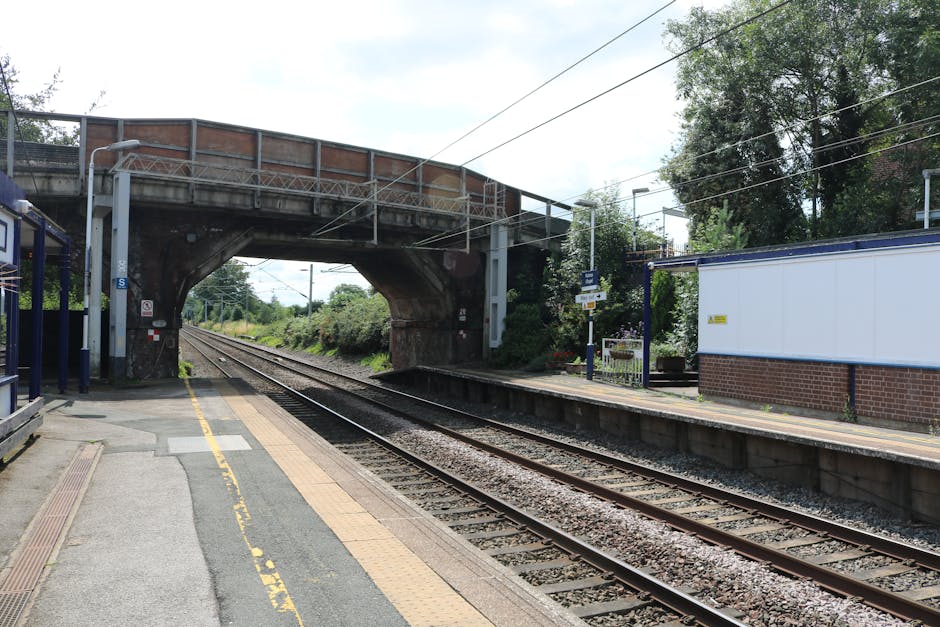
Maidenhead rubbish removal near Maidenhead railway station: a practical local guide
If you are trying to clear waste near Maidenhead railway station, you probably want the same three things most people want: a quick turnaround, a fair price, and no fuss with heavy lifting. Fair enough. Whether you are moving out of a flat, dealing with post-renovation mess, or just staring at a growing pile of junk that has quietly taken over the spare room, Maidenhead rubbish removal near Maidenhead railway station can make life noticeably easier.
This guide explains how local rubbish removal works, what to expect near the station, which situations it suits best, and how to avoid the common mistakes that lead to delays or extra charges. It also covers compliance, practical checklists, and the small decisions that make a big difference when you are arranging waste collection in a busy part of town.
For a broader overview of service options, it can help to look at the main waste removal service and the wider range of clearance options such as house clearance, flat clearance, and office clearance.
Table of Contents
- Why Maidenhead rubbish removal near Maidenhead railway station Matters
- How Maidenhead rubbish removal near Maidenhead railway station Works
- Key Benefits and Practical Advantages
- Who This Is For and When It Makes Sense
- Step-by-Step Guidance
- Expert Tips for Better Results
- Common Mistakes to Avoid
- Tools, Resources and Recommendations
- Law, Compliance, Standards, or Best Practice
- Options, Methods, or Comparison Table
- Case Study or Real-World Example
- Practical Checklist
- Conclusion
- Frequently Asked Questions
Why Maidenhead rubbish removal near Maidenhead railway station Matters
The area around Maidenhead railway station tends to be busier than many other parts of town. You have commuters coming and going, tighter parking patterns, more flats and mixed-use properties, and less tolerance for waste sitting around longer than it should. That changes the whole job. A bag of rubble, a broken wardrobe, or a few bulky items can be simple elsewhere, but near the station the practicalities matter more.
Rubbish removal here is not just about throwing things away. It is about keeping access clear, avoiding nuisance, and getting the job done without turning a straightforward clearance into an all-day headache. If you live in a flat above a shop, manage an office near the station, or are helping a relative clear a property close by, timing and access can matter as much as the waste itself.
There is also the matter of first impressions. A tidy entrance, pavement, or loading area makes everything feel more controlled. That may sound obvious, but in a location with foot traffic and tight turnarounds, it really does make a difference. Truth be told, the smoothest jobs are usually the ones where someone thought ahead by ten minutes.
How Maidenhead rubbish removal near Maidenhead railway station Works
Most local rubbish removal services follow a fairly simple pattern. You describe what needs removing, the team gives guidance or a quote, then collection is arranged at a time that suits access and traffic conditions. The team arrives, loads the waste, and takes it away for sorting, disposal, reuse, or recycling where appropriate.
Near the station, the process often needs a little more planning. For example, if you are in a flat on a side street, the team may need to factor in stair access, lift availability, shared entrances, or where they can safely park. If you are clearing a business unit, they may need to work around opening hours or loading restrictions. Small things, but they add up quickly.
In our experience, the best outcomes happen when the customer is clear about three things: what is being removed, where it is located, and how easy it is to access. Even a rough list helps. A sofa, mattress, two bags of mixed waste, and a dismantled desk is a very different job from a full garage clearance. If you want a service tailored to heavier household items, the furniture disposal and furniture clearance pages are useful references.
Sometimes rubbish removal near the station is part of a bigger clearance. That could mean a whole flat, a loft, a garage, or a garden that has grown a bit wild after winter. In those cases, combining the work usually saves time and avoids repeat visits. Nobody really wants to do the same lift twice, do they?
Key Benefits and Practical Advantages
There are good reasons local people and businesses choose professional rubbish removal rather than trying to manage everything themselves.
- Less physical strain: Heavy bags, broken furniture, and awkward items are easier handled by a team with the right approach.
- Better use of time: You do not have to hire a van, find helpers, or spend the afternoon shuttling to a disposal site.
- More flexible for busy locations: Near Maidenhead railway station, schedules often need to fit around commuters, residents, and traders.
- Cleaner handover: This matters a lot for landlords, tenants, sellers, and office managers who want a property to look presentable.
- Safer sorting: Experienced teams are usually better at separating general waste, bulky items, recyclable material, and items that may need special handling.
There is also a psychological benefit that people underestimate. Once the clutter starts leaving, the space feels lighter almost immediately. A hallway opens up. A spare room becomes usable again. A garage stops feeling like a storage trap. That shift is surprisingly motivating.
If you are dealing with a larger mixed load, such as household clutter plus old furniture and some garden debris, the service can be paired with home clearance or garden clearance depending on the type of waste involved.
| Situation | Why professional removal helps | What to watch for |
|---|---|---|
| Flat near the station | Stairs, lifts, and limited parking are handled more efficiently | Confirm access details and any time restrictions |
| Office or shop waste | Minimises disruption to staff and customers | Plan around trading hours and loading areas |
| House or loft clearance | Large volumes can be cleared in one visit | Separate valuables and keep fragile items aside |
| Builders' debris | Heavy, dusty waste is removed without tying up your day | Check whether the team handles construction waste |
Who This Is For and When It Makes Sense
This kind of service suits a wide range of people, not just homeowners. If you are within walking distance of the station, or nearby in one of the surrounding streets, you may find it useful whenever waste starts to outgrow the bins or a project finishes with more debris than expected.
It often makes sense for:
- tenants moving out of a flat and needing a quick clear
- landlords preparing a property for new occupants
- homeowners dealing with loft, garage, or shed clutter
- offices replacing furniture or clearing old stock and paperwork
- tradespeople with leftover renovation debris
- small businesses that cannot afford messy downtime
A common scenario near the station is a small flat with bulky items that will not fit in a car and are too awkward to carry alone. Another is a home office refresh, where old desks, monitors, and packaging need clearing in one go. For these jobs, the practical route is usually to book a team that can handle both lifting and disposal rather than trying to piece the task together yourself.
If your project is business-related, the business waste removal page is especially relevant. If you are dealing with a workspace rather than a domestic property, the office clearance service can be a better fit than general waste collection.
Step-by-Step Guidance
Here is a practical way to organise rubbish removal near Maidenhead railway station without overcomplicating it.
- Sort the waste by type. Separate furniture, bagged rubbish, electrical items, garden waste, and anything sharp or heavy.
- Identify access issues early. Note stairs, lift access, narrow entrances, parking bays, or any permits needed.
- Take a quick photo set. A few clear pictures usually help the team judge volume and plan manpower.
- Check for special items. Fridges, mattresses, paint, chemicals, and builders' waste can need different handling.
- Choose a suitable time slot. Around the station, quieter windows often make the collection smoother. Early morning can be easier, though that depends on the property and access.
- Keep anything you want to retain separate. Sounds obvious, but once things are stacked together, mix-ups happen.
- Confirm the final scope before collection starts. If more items appear on the day, say so upfront. It avoids awkward surprises later.
A good rule of thumb: if an item would be annoying to move twice, decide on it before the team arrives. That sounds slightly blunt, but it saves time.
For larger clearances that include older household items, consider whether some things belong in a furniture-specific service rather than mixed rubbish removal. The furniture clearance page is a useful reference point if you are clearing sofas, chairs, wardrobes, or tables.
Expert Tips for Better Results
Small preparation steps often make the biggest difference.
First, clear a path. Even a narrow walkway through a hallway or garage helps the job go faster and reduces the chance of knocks or scuffs. If you have ever watched a bulky sofa make a slow, awkward turn at the top of some stairs, you will know exactly what I mean.
Second, be realistic about volume. People often underestimate how much rubbish they have. Two piles can become four when bagged and stacked. If you are unsure, ask for guidance using photos rather than guessing.
Third, think about timing around the station. Traffic and parking can shift quickly. A slot that looks fine on paper can feel very different when commuters, deliveries, and school runs overlap. Sometimes 15 minutes makes all the difference.
Fourth, protect floors and walls if needed. This matters most in flats or older properties where narrow entrances and corners can be vulnerable.
Fifth, keep your paperwork simple. If you are a business customer, have any internal approval, building access details, or site rules ready. A small admin snag can hold up the physical job more than people expect.
And one more thing: if you are mixing builders' debris with household clutter, say so clearly. Mixed waste can affect both the loading plan and the disposal route. The builders waste clearance service is worth reviewing if your job includes rubble, timber offcuts, plasterboard, or similar material.
Common Mistakes to Avoid
The most common mistakes are not dramatic, just expensive or annoying.
- Leaving everything until the last minute: This creates pressure, especially if access is tight near the station.
- Not separating hazardous or specialist items: Certain materials need careful handling, so do not assume all waste is the same.
- Forgetting parking realities: A good quote can go off track if the vehicle cannot get close enough.
- Underestimating loft, garage, or shed clutter: These spaces often hide much more than expected.
- Failing to check what is included: Some jobs need extra time, extra lifting, or a different waste category.
- Skipping photos or a clear list: It is the easiest way to create confusion on the day.
Sometimes the mistake is simply assuming all rubbish removal is the same. It is not. A bit of household clutter is different from a messy office, and both are different again from garden waste or renovation debris. Matching the service to the job saves stress. Simple, really.
Tools, Resources and Recommendations
You do not need much in the way of specialist tools, but a few basics help the process feel calm rather than chaotic.
- Strong bags or boxes: Useful for loose items, papers, and lightweight clutter.
- Basic tape and labels: Handy for marking what stays and what goes.
- Gloves: Especially if you are moving items from lofts, garages, or gardens.
- Phone photos: The quickest way to explain volume and access.
- Measuring tape: Worth having if a sofa, wardrobe, or desk might need to pass through a narrow doorway.
For space-specific clearances, it can help to explore targeted services such as garage clearance, loft clearance, and home clearance. Those pages are useful if your rubbish is part of a larger decluttering job rather than a one-off collection.
If you want to understand the company background before booking, the about us page can give a clearer sense of who is handling the work. And for a straightforward next step, the contact us page is the place to request details or ask questions before you commit.
Law, Compliance, Standards, or Best Practice
Waste collection in the UK should always be handled responsibly. You do not need to become a legal expert to book a clearance, but you should know the basics. Waste should be taken to appropriate facilities, and it should be clear that the service provider is dealing with the material in a lawful and sensible way. That is standard practice, not a bonus feature.
For readers, the practical takeaway is simple: do not hand waste to anyone who cannot explain where it goes, how it is handled, or whether different waste types are separated properly. If a service sounds vague, that is a bad sign.
There are also common-sense standards around safety and access. Items should be lifted carefully, pathways should be kept as clear as possible, and anything that could cause harm, such as sharp debris or heavy broken objects, should be managed with extra caution. If you are clearing from a shared building, you should also be mindful of neighbours, communal areas, and noise.
For businesses, records and site rules may matter more. If your premises are near the station and operate during busy hours, a good provider should help you plan the job with minimal disruption. That includes sensible timing, respectful handling, and clear communication. The boring stuff, basically, but the boring stuff is what keeps a job running smoothly.
You may also want to review service terms before booking. The terms and conditions page can help set expectations, while the privacy policy explains how enquiries are typically handled.
Options, Methods, or Comparison Table
Not every clearance needs the same approach. Some people only need a few bulky items taken away. Others want a full property cleared in one visit. The best option depends on volume, access, item type, and how quickly you need the space back.
| Option | Best for | Pros | Potential drawback |
|---|---|---|---|
| General rubbish removal | Mixed household or light commercial waste | Flexible and straightforward | May not suit large specialist loads |
| Furniture-specific clearance | Sofas, tables, wardrobes, beds | Efficient for bulky items | Not ideal if you also have rubble or garden waste |
| Full property clearance | Homes, flats, estates, or major moves | Comprehensive and time-saving | Requires more planning and access detail |
| Room or area clearance | Lofts, garages, offices, gardens | Focused and usually easier to manage | May need multiple service types if items vary |
A good way to decide is to ask yourself: do I need a few items gone, or do I need the space reset? That question usually points you in the right direction faster than any jargon-heavy checklist.
Case Study or Real-World Example
Imagine a small flat a short walk from Maidenhead railway station. The tenant has moved most belongings out already, but a sofa, an old mattress, two chairs, and several bags of mixed rubbish remain. The building has a narrow stairwell, limited parking, and a fairly busy frontage around the morning commute.
In that sort of situation, a rushed DIY approach can become messy quickly. Lifting the sofa alone is awkward enough. Add traffic, a tight stair turn, and the risk of damaging walls, and suddenly the simple plan does not look simple anymore.
A better approach would be to photograph the items, confirm access, and arrange a collection window that avoids peak congestion where possible. If the tenant also has a few boxes of unwanted household bits, those can usually be added into the load, provided everything is identified clearly in advance. If there are extra items like old cabinets or mixed flat contents, a flat clearance service can be a better fit than a standard one-off collection.
The end result is not just a cleared room. It is a cleaner handover, less stress, and one fewer thing to chase during a move. That is the real value here.
Practical Checklist
Use this checklist before booking rubbish removal near Maidenhead railway station.
- List every item or waste type that needs removing
- Take photos from a few angles
- Check access, stairs, lifts, and parking
- Separate anything you want to keep
- Identify bulky furniture, electricals, and heavy debris
- Note whether the job is domestic, commercial, or mixed
- Ask if the service suits garden, garage, loft, or builders' waste
- Confirm timings that work around local traffic or building access
- Read the terms so you know what is included
- Have a contact number ready on the day
If the list feels a bit long, that is normal. Most jobs are easier once the first few basics are covered. The rest tends to fall into place.
Conclusion
Maidenhead rubbish removal near Maidenhead railway station is about more than moving waste from A to B. It is about choosing a practical, efficient way to clear space in an area where access, timing, and tidiness all matter. When you match the right service to the right job, the whole process becomes calmer and much more predictable.
Whether you are clearing a flat, sorting a garage, replacing office furniture, or dealing with mixed household clutter, a bit of planning goes a long way. Keep access details clear, separate your waste types where possible, and choose a service that understands the local realities of working near the station.
If you are still deciding what kind of clearance you need, start with the service that best fits your space and your timetable. Then take the next step with confidence, not guesswork.
Get a free quote today and see how much you can save.
Sometimes the smallest decision, like finally clearing the room that has been bothering you for months, makes the whole place feel lighter. And honestly, that feeling is worth a lot.
Frequently Asked Questions
What is included in rubbish removal near Maidenhead railway station?
It usually includes collection, loading, transport, and responsible disposal of the agreed waste items. The exact scope depends on whether you are clearing general rubbish, bulky furniture, mixed household items, office waste, or something more specialised.
Can rubbish be removed from a flat near the station?
Yes, and that is one of the most common local jobs. Flats often need extra planning for stairs, lifts, and parking, but a good service should be able to work around those access issues.
Do I need to sort the rubbish before collection?
Some basic sorting helps, especially if you have furniture, garden waste, builders' debris, or electrical items mixed together. You do not always need everything perfectly organised, but separating major categories saves time and reduces confusion.
Is this suitable for office clearance as well as home clearance?
Yes. If the waste comes from a workplace, the business waste removal and office clearance services are especially relevant. They are useful for desks, chairs, stock, packaging, and general commercial clutter.
What happens to the waste after it is collected?
It is normally taken for sorting and disposal through appropriate channels. Depending on the material, some items may be recycled, reused, or handled separately. The key point is that waste should be managed properly rather than dumped casually somewhere else.
Can I get rid of old furniture with rubbish removal?
Yes, often you can. Sofas, beds, tables, wardrobes, and similar bulky items are commonly included. If your job is mainly furniture, the furniture disposal page is a sensible place to look.
How do I know whether I need a full clearance or just waste removal?
If you are clearing most or all of a room, loft, garage, or property, a fuller clearance service may be better. If you only have a few bags, a couple of bulky items, or leftover debris, general waste removal may be enough. Think about the space, not just the number of items.
Is builders' waste handled differently from household rubbish?
Usually yes. Builders' waste can include rubble, plaster, timber, and dustier material that may need a different loading plan or disposal route. If your job includes renovation debris, a dedicated builders waste clearance service is worth considering.
Can you collect from a garage, loft, or garden near Maidenhead station?
Yes, those are common types of clearance. A garage clearance, loft clearance, or garden clearance service is usually the best match when the waste is concentrated in one area.
How much notice do I need to give?
That depends on availability and the size of the job. Smaller collections may be arranged more quickly than larger clearances, but near the station it is always wise to plan ahead where possible because access and traffic can affect timing.
What should I do if I am not sure what counts as rubbish?
If in doubt, make a simple list or send photos. That is usually the quickest way to clarify whether something can be taken, whether it needs separate handling, or whether another service is more appropriate. Better to ask once than guess twice.
Where can I find more information about the company and booking process?
You can read more on the about us page and use the contact us page to ask questions or request a quote. It is often the simplest next step when you are ready to move forward.