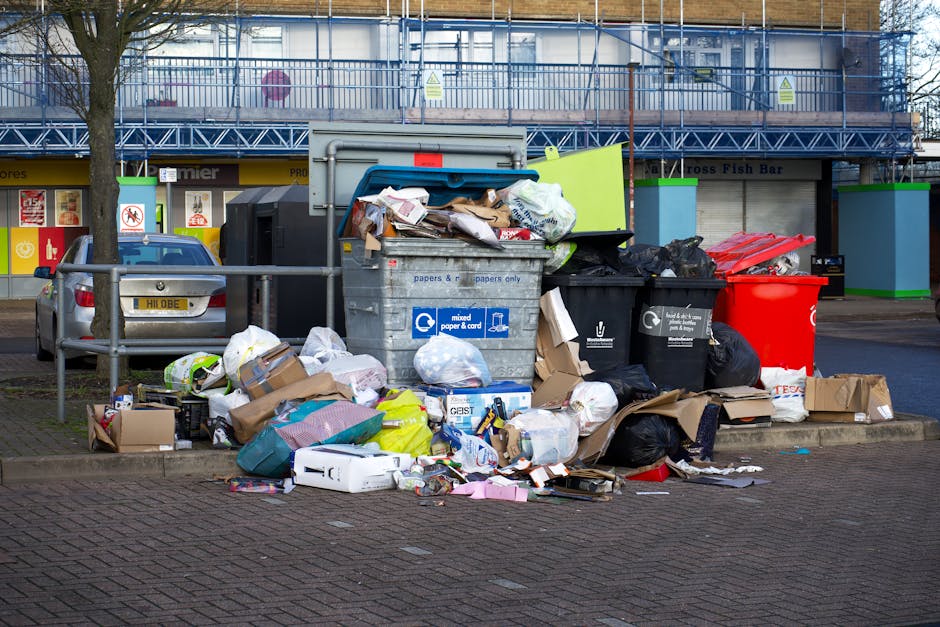
High Street Maidenhead bulky waste removal for shops: a practical guide for busy retailers
Shopfronts on a busy high street have a habit of collecting more than stock and customers. Old display units, broken shelving, tired point-of-sale stands, packaging pallets, donated furniture that never quite left the back room, and the odd large item waiting for "next week" all build up fast. If you're looking into High Street Maidenhead bulky waste removal for shops, you are probably dealing with that exact kind of pressure: limited storage, awkward loading access, and a need to clear waste without turning trading hours into a mess.
This guide breaks down what bulky waste removal actually means for shops, how the process works, what to watch for, and how to keep it efficient, compliant, and as disruption-free as possible. You'll also find a checklist, a comparison table, and a few practical tips that come from the reality of retail life rather than theory. Because let's face it, when the stockroom is half full of old fixtures, nobody feels like pretending it's "fine".
Why High Street Maidenhead bulky waste removal for shops Matters
Bulky waste is not the same as everyday litter or a few bin bags. For shops, it usually means large or heavy items that need proper handling: old counters, damaged furniture, display fixtures, tills at end of life, broken mannequins, storage racking, cardboard balers, and sometimes mixed waste from a refit. It can also include a surprising amount of packaging from new deliveries. One delivery day can quietly undo a week's tidying effort. Slightly annoying, but very normal.
On High Street in Maidenhead, space is at a premium. A bulky item left outside too long can block a narrow pavement, frustrate neighbours, and make the shop look untidy before opening hours. Inside, the same item can steal stock space and make daily operations harder. You notice it most in the morning rush, when staff are trying to find a clean route to the till and there's a pile of old shelving still in the way.
There's also the reputation angle. Customers notice clutter. They may not consciously think "that shop needs clearance", but they do feel the difference between a well-run space and one that looks squeezed. A clean, open entrance feels easier to walk into. That matters on a trading street where first impressions are quick and unforgiving.
For shop owners, managers, and landlords, bulky waste removal is really about protecting trading space, safety, and presentation at the same time. Done properly, it supports operations rather than interrupting them.
How High Street Maidenhead bulky waste removal for shops Works
The process is usually simpler than people expect, although the prep can be a bit fiddly. A good bulky waste collection for shops normally starts with identifying what needs to go, checking whether anything needs separating, and making sure access is clear for the removal team.
In practical terms, the workflow often looks like this:
- Survey the items. Decide what is being removed, what should stay, and whether any pieces need dismantling first.
- Check the access route. Think about front-of-shop entry, rear access, staircases, basements, shared corridors, loading bays, and parking restrictions.
- Confirm timing. The least disruptive slot is usually before opening, after closing, or during a quiet trade window.
- Separate materials where possible. Wood, metal, cardboard, electrical items, and general bulky waste may need different handling.
- Load and remove. The collection team takes the items away, usually with care to avoid scuffs, noise, or disruption.
- Sort for reuse, recycling, or disposal. Good providers aim to divert as much as possible from landfill and follow sensible waste handling practice.
If the waste includes office-style items such as desks, chairs, archiving furniture, or old filing units, it can overlap with office clearance. For old shop furniture or display pieces, furniture clearance or furniture disposal may be relevant too. The right service depends on the mix of materials, not just the shop type.
It is worth saying plainly: bulky waste removal for shops is not just "someone with a van". The good ones plan around access, weight, safety, and responsible disposal. That's where the value sits.
Key Benefits and Practical Advantages
The obvious benefit is a clear space. But the real advantages go further than that, especially in a retail setting where every square metre has to work hard.
- More usable floor area for stock, displays, or customer movement.
- Safer walkways for staff, customers, and delivery teams.
- Better presentation at the front of shop, where visual standards matter most.
- Reduced manual handling risk because heavy items are removed properly rather than dragged around.
- Less stress for staff who no longer have to work around awkward clutter.
- Cleaner refits and resets when you are changing layout, branding, or product ranges.
- Improved recycling outcomes where reusable or recyclable materials are separated sensibly.
There's also a less obvious advantage: time. Staff often waste hours shifting items from one corner to another just to keep the shop functioning. That is not a good use of payroll, to be fair. A proper clearance solution can save more operational time than people expect.
Expert summary: For shops, bulky waste removal works best when it is treated as an operational task, not a last-minute clean-up. Plan access, identify materials early, and remove items in one controlled move rather than several rushed ones.
Who This Is For and When It Makes Sense
This kind of clearance is useful for a wide range of Maidenhead shop settings. If your business has a physical storefront, stockroom, customer area, or refit schedule, there is a good chance bulky waste will show up sooner or later.
It tends to make sense for:
- independent retailers refreshing displays or stockrooms
- high street chains clearing end-of-line fixtures
- charity shops and resale stores replacing worn fittings
- convenience stores handling old chillers, shelving, or packaging
- salons, barbers, and beauty shops removing furniture or treatment units
- cafes and takeaways with old tables, chairs, or storage items
- pop-up shops that need a fast end-of-term strip-out
- landlords and managing agents preparing a unit for a new tenant
It also applies when a shop has a one-off clear-out after a flood, fire, burst pipe, or refit. In those situations, the waste is often mixed and awkward, which is exactly when a calm, organised approach helps. Nobody wants a half-cleared unit with a pile of damaged MDF, broken fittings, and a sad-looking chair in the corner. That just drags the problem out.
If the job is mainly store-room clutter, old stock, or mixed household-style items from a mixed-use premises, a broader business waste removal service may be more suitable than trying to label everything as "bulky waste" alone.
Step-by-Step Guidance
If you want the process to go smoothly, the best results usually come from a simple sequence. Nothing fancy. Just a bit of order.
- Walk through the space first. Look at what is actually leaving the premises, not what might leave "if there's room". Separate the essentials from the clutter.
- Identify bulky items early. Anything large, heavy, awkward, or likely to need two people should be flagged. That includes old counters, cabinets, and bulky promotional stands.
- Check for special items. Electrical items, sharp metal edges, and anything contaminated by liquids or food waste may need extra care.
- Plan the timing around trade. Early morning collection often works well on a busy high street. If that is not possible, choose a quiet window and brief your staff.
- Clear a loading path. Make doors, corridors, and stairwells as open as possible. A two-minute tidy can prevent a twenty-minute delay.
- Protect floors and fixtures. Cardboard, hardboard, or simple covering can help if items are being moved past shop fittings or polished surfaces.
- Confirm what happens to the waste. Ask whether items will be reused, recycled, or disposed of responsibly. That question is worth asking.
If you are clearing out a full back room or upper storage area, it may overlap with garage clearance or loft clearance-style work, especially where access is awkward and the contents are mixed. The label matters less than the job in front of you.
One practical tip: group items by size and material before collection day. It sounds basic, and it is. But basic things save time. Always.
Expert Tips for Better Results
In our experience, the best removals are the ones that feel almost boring on the day. No surprises. No frantic "can you just take that too?" moments. Here's how to get there.
- Photograph the items in advance. It helps everyone agree what is going and whether any dismantling is needed.
- Measure awkward pieces. A quick measurement can prevent a slow morning if something needs to pass through a tight doorway.
- Keep hazardous or restricted items separate. Do not mix unknown materials into general bulky waste.
- Book for your quietest trading period. Even a short disruption feels longer when the shop floor is busy.
- Assign one staff member to oversee the job. One point of contact avoids confusion. It really does help.
- Use a "keep, donate, remove" sort. This reduces hesitation and speeds up decisions.
- Think ahead to the next delivery. If a new display is arriving the next morning, don't leave clearance too late.
A useful rule of thumb: if an item is awkward enough to need a little dance move to get round it, it should probably be dealt with properly rather than pushed into a corner. Mildly ridiculous image, but you get the point.
For businesses that care about reuse and waste reduction, it is also worth reviewing the company's recycling and sustainability approach. Even small changes in sorting can make a noticeable difference to how much material is diverted from disposal.
Common Mistakes to Avoid
Most bulky waste headaches come from rushing. That is usually the truth of it.
- Leaving it until the last minute. A refit deadline is not the same thing as a plan.
- Assuming everything can be tipped together. Mixed loads may need separation, and some items need specific handling.
- Blocking staff routes. A piled-up corridor becomes a safety issue very quickly.
- Forgetting access restrictions. High Street parking, delivery windows, and narrow entry points can all affect timing.
- Not checking for reusable items. Sometimes fixtures, shelving, or furniture still have value or can be repurposed.
- Ignoring documentation. For business waste, keeping basic records and invoices is sensible practice.
- Choosing on price alone. Cheap can become expensive if the job is rushed, incomplete, or poorly handled.
A common retail mistake is to treat clutter as temporary. A box here, a broken shelf there, and then a month later the back room feels smaller than it should. You know the story. Better to act while the job is still manageable.
Tools, Resources and Recommendations
You do not need a warehouse full of kit to manage this well. But a few practical tools make life easier.
| Tool or resource | What it helps with | Why it matters for shops |
|---|---|---|
| Measuring tape | Doorways, corridors, and item dimensions | Prevents access issues on the day |
| Labels or coloured tape | Sorting items for keep, remove, or recycle | Stops accidental clearance of stock or fixtures |
| Basic floor protection | Protecting tiles, wood, or entrance areas | Reduces scuffs during removal |
| Camera phone | Recording the load before collection | Useful for planning and internal sign-off |
| Staff checklist | Making sure nothing important is missed | Helps during busy opening or closing periods |
For bigger strip-outs or shop fit-outs, services can overlap. If you are dealing with building debris as well as fixtures, builders waste clearance may be a more accurate fit. If the job is mainly general overflow, packaging, or mixed commercial rubbish, a wider waste removal service may be the better starting point.
And if you want to understand pricing and quotation style before booking, reviewing the site's pricing and quotes information is a sensible move. It gives you a clearer idea of how services are usually framed, without any guesswork.
Law, Compliance, Standards, or Best Practice
For shop owners, bulky waste removal is not just about convenience. There are basic legal and operational responsibilities to keep in mind. In the UK, businesses have duties around storing, handling, and transferring waste responsibly. You do not need to memorise legislation to get this right, but you do need a sensible process.
Good practice usually includes:
- using a provider that can handle commercial waste appropriately
- separating waste streams where practical
- making sure items are not left where they block public access or emergency routes
- keeping clear records for business waste handling where needed
- ensuring staff are not asked to lift items beyond their capability
Safety matters as much as compliance. Large items can be heavier than they look, especially when they have hidden fittings, glass, or internal framing. A chipped display cabinet or a bent metal rack can become a nasty hand injury if someone tries to "just move it quickly". That quick move is usually the problem.
There is also a practical expectation around professionalism. Waste should be transported securely, premises should be left tidy, and the handling process should not create hazards for customers or staff. If you are unsure whether a certain item needs special treatment, ask before collection. That is not overcautious. That is sensible.
For businesses that value supplier trust and operational security, it is also reasonable to review the company's insurance and safety information and the health and safety policy. These pages help set expectations around safe working and handling standards.
Options, Methods, or Comparison Table
Not every shop needs the same removal method. The right approach depends on the size of the load, how quickly it needs to go, and how much disruption you can tolerate.
| Method | Best for | Pros | Trade-offs |
|---|---|---|---|
| Ad hoc staff disposal | Very small loads, light items, occasional clear-outs | No booking needed, flexible | Time-consuming, higher risk of injury or delay |
| Dedicated bulky waste collection | Large fixtures, mixed shop waste, fast turnarounds | Efficient, less staff disruption, better handling | Requires planning and booking |
| Full shop clearance | Refits, closures, end-of-lease situations | Thorough, clears the whole premises | Needs more coordination and may take longer |
| Specialist mixed commercial clearance | Busy back rooms, unusual items, combined waste streams | Flexible for messy real-world jobs | May need extra sorting or a site visit |
For a shop with only a couple of unwanted chairs and a broken shelf, you may only need a small collection. For a full refit, you are better off thinking in terms of a broader clearance and not trying to solve it piecemeal. Piecemeal is how jobs drag on.
Where the premises include a flat or living space above the shop, an overlapping flat clearance may be relevant too. Mixed-use buildings often have more moving parts than they first appear to. A tiny bit of planning saves a lot of back-and-forth.
Case Study or Real-World Example
Imagine a small fashion shop on Maidenhead High Street preparing for a layout refresh before the weekend rush. The team has an old glass-topped display unit, two damaged shelving bays, a redundant mirror, and a stack of packaging from the new season stock. The back room is cramped. Staff are still trying to restock. Not ideal.
Instead of trying to move things during opening hours, the manager lists the items the day before, checks the door widths, and arranges a pre-opening removal slot. The fragile items are set aside, the route through the stockroom is cleared, and the team marks one corner for "keep" items and another for "remove".
On the morning of collection, the load is out quickly because the hard thinking was already done. No one is wrestling with a display unit while customers are waiting at the door. The shop opens on time, the floor looks cleaner, and the new layout can go in without old clutter hanging around like an awkward guest who did not get the hint.
That's the real value here. Not just removal, but momentum. Once the bulky waste is gone, the space starts working again.
Practical Checklist
Use this before booking any shop bulky waste removal.
- List every item to be removed.
- Separate keep, recycle, donate, and dispose piles.
- Measure large or awkward items.
- Check access, loading, and parking conditions.
- Choose a collection time that avoids peak trading pressure.
- Assign one staff contact for the day.
- Protect floors and sensitive shop fittings if needed.
- Ask how waste will be handled after collection.
- Confirm whether any items need dismantling first.
- Make sure nothing valuable is left mixed in with the waste.
- Keep paperwork or invoices for business records.
Quick takeaway: the less confusion there is before the truck arrives, the smoother everything feels. A tidy process is usually a cheap process in the long run, because it avoids delays, rework, and unnecessary staff time.
Get a free quote today and see how much you can save.
Conclusion
High Street shop waste has a way of becoming urgent only after it starts getting in the way. That is normal. But the sooner you deal with bulky items, the easier it is to keep the shop safe, tidy, and trading well. Whether you are clearing a single unit, refreshing the stockroom, or preparing for a larger refit, the smartest approach is the one that protects access, reduces stress, and respects the realities of the high street.
If you plan ahead, sort the load sensibly, and choose the right service level, bulky waste removal becomes one less thing to worry about. And honestly, that's a relief. Shops have enough moving parts already.
For businesses that want a dependable next step, it can help to review the team behind the service on the about us page and, when you are ready, use the contact us page to start the conversation.
Keep the space clear, keep it workable, and let the shop feel like itself again.
Frequently Asked Questions
What counts as bulky waste for a shop?
Bulky waste usually means large or heavy items that are awkward to move and not suited to normal bin collection. For shops, that often includes shelving, counters, display units, cabinets, chairs, mirrors, and similar fixtures.
Can you remove shop furniture and display fixtures at the same time?
Yes, usually. In fact, it is often more efficient to remove mixed shop furniture and fixtures in one visit, provided access is planned and the items are safe to handle.
Do I need to empty the shop before bulky waste removal?
Not completely, but it helps to clear the route to the items and remove anything valuable from the area. A bit of preparation makes the removal faster and safer.
Is bulky waste removal suitable for a small independent shop?
Absolutely. Smaller shops often benefit the most because storage is tight and every item in the back room affects day-to-day operations. A small shop can feel the clutter very quickly.
How do I know whether I need business waste removal instead?
If the waste is mostly mixed commercial rubbish, packaging, office items, or general overflow rather than just large bulky pieces, then a broader business waste removal service may be the better fit.
What should I do with items that might be reusable?
Separate them before the collection date if possible. Some shop fixtures, furniture, or display items may be suitable for reuse, redeployment, or donation. It is worth checking rather than sending everything away by default.
Can bulky waste removal be arranged outside trading hours?
Often yes. Early morning, evening, or other low-disruption time slots are usually preferable for high street shops, especially where customer access is busy during the day.
What if my shop is in a narrow part of the High Street?
That is common enough. The key is to plan access carefully, check loading restrictions, and make sure the route from shop to vehicle is as clear as possible. Good planning matters more on tight streets.
How can I reduce the cost of the removal?
Sort items in advance, keep access straightforward, and separate anything that needs special handling. Clear information at the start usually helps keep the quote more accurate and avoids wasted time on the day.
Does bulky waste removal include dismantling items?
Sometimes it can, depending on the service and the item. If shelving, counters, or large units need to be broken down first, mention that early so the job is quoted and scheduled properly.
What should I ask before booking a clearance?
Ask what types of waste are accepted, whether the team can handle access restrictions, how items will be processed after collection, and what is included in the price. Clear questions now save headaches later.
Is there any benefit to choosing a provider with clear policies?
Yes. Pages such as terms and conditions, payment and security, and complaints procedure help show that the service is run with proper structure and accountability. That gives peace of mind, and it should.
Can bulky waste removal help during a shop refit?
Yes, very much so. Refits generate awkward waste quickly, and removing old counters, shelving, and fixtures in a controlled way helps keep the project moving. It is one of those jobs that looks simple until you are standing in the middle of it.
What is the best first step if I am unsure what needs removing?
Start with a quick walk-through and make a rough list of everything that is bulky, damaged, or no longer needed. If the load seems mixed or awkward, it is better to describe it clearly before booking than to guess.