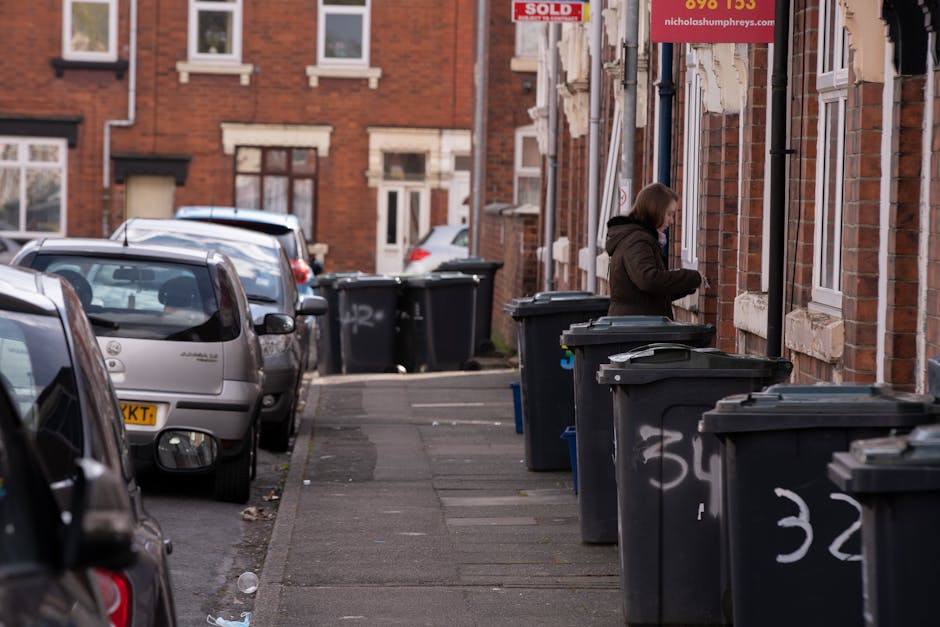
Furze Platt rubbish removal guide for narrow lane homes
Narrow lanes change everything. If you live in Furze Platt, you already know the drill: parked cars on both sides, tight corners, awkward reversing, and that one neighbour's hedge that seems to grow into the road overnight. A standard rubbish removal job can become a small logistical puzzle very quickly.
This Furze Platt rubbish removal guide for narrow lane homes is here to make that puzzle simpler. Whether you are clearing a few bulky items, dealing with renovation waste, or emptying a full property, the trick is not just "getting rid of stuff." It is planning access, protecting property, keeping things safe, and choosing the right method for the lane you actually live on, not the one in a brochure.
Below you will find a practical walkthrough of how rubbish removal works in tighter residential streets, what to check before booking, where people usually get tripped up, and how to make the job cleaner, quicker, and less stressful. Truth be told, a little planning goes a long way here.
Table of Contents
- Why Furze Platt rubbish removal guide for narrow lane homes Matters
- How Furze Platt rubbish removal guide for narrow lane homes Works
- Key Benefits and Practical Advantages
- Who This Is For and When It Makes Sense
- Step-by-Step Guidance
- Expert Tips for Better Results
- Common Mistakes to Avoid
- Tools, Resources and Recommendations
- Law, Compliance, Standards, or Best Practice
- Options, Methods, or Comparison Table
- Case Study or Real-World Example
- Practical Checklist
- Conclusion
- Frequently Asked Questions
Why Furze Platt rubbish removal guide for narrow lane homes Matters
Narrow-lane homes are a different kind of rubbish removal job. The obvious issue is access, but the real issue is how access affects every other part of the job. If the vehicle cannot park safely, if there is no room to carry items out, or if neighbours block the lane for five minutes at exactly the wrong time, the whole process slows down.
That matters because delays create knock-on problems. You may end up with extra labour, an extra visit, or waste sitting in a hallway for another week. And nobody enjoys living with an old mattress or a broken wardrobe propped in the porch. The smell alone can become a bit of a mood killer, especially in warmer weather.
For Furze Platt residents, a good rubbish removal plan is about fit. It needs to fit the street, the property layout, the type of waste, and your timing. A terraced house down a tight lane does not need the same approach as a wide-drive suburban property. Simple enough, but easy to ignore until the van arrives and there is nowhere sensible for it to go.
It also matters for safety. Tight routes increase the chance of scratched cars, strained lifting, blocked walkways, and awkward carrying distances. A careful, well-planned removal reduces all of that. In our experience, the smoother jobs are rarely the ones where people "wing it." They are the ones where someone has looked at the access properly and thought ahead by a few steps.
One more thing: narrow lanes can make recycling and sorting easier or harder depending on how the load is managed. If waste is separated sensibly before collection, the team can work faster and keep more material out of general disposal. That is good for cost control and, frankly, better for everyone.
Key point: in narrow-lane homes, rubbish removal is not just about lifting waste. It is about planning the route, the timing, the load, and the safest place to stage everything.
How Furze Platt rubbish removal guide for narrow lane homes Works
The process usually starts with an assessment of access. That may be done from photos, a short description, or a quick visit, depending on the scale of the job. For a narrow lane home, the important details are practical: where the vehicle can stop, how far items must be carried, whether there are steps, whether the lane is one-way, and whether parking restrictions apply.
From there, the waste is usually grouped by type. General household rubbish, bulky furniture, garden cuttings, loft contents, and builder's waste all behave differently. Heavy rubble is handled very differently from light mixed junk. You may be surprised how much difference that makes, but it really does affect labour time and loading efficiency.
Next comes the actual removal. Smaller items may be carried directly to the vehicle. Larger items often need to be dismantled first, especially if a front door, hallway, or side passage is tight. This is where people sometimes underestimate the job. That old sofa is not just a sofa. It is a sofa with arms that refuse to turn the corner, apparently with a sense of humour.
Finally, the waste is sorted for disposal, reuse, or recycling where possible. Responsible operators should separate material rather than treating every item the same. If you are comparing providers, this is worth asking about. It tells you a lot about how they work, and a lot about whether they are simply moving rubbish or actually managing it properly.
If your clearance includes furniture or mixed household items, related services like furniture clearance and house clearance can be a better fit than a one-size-fits-all collection. For larger properties, a full home clearance may be the more sensible route.
Key Benefits and Practical Advantages
The biggest benefit is obvious: you get the waste gone without trying to force a large job through a small space on your own. But there are a few more advantages worth spelling out.
- Less disruption: a planned removal reduces the time your hallway, path, or driveway is blocked.
- Safer handling: trained lifting and a sensible loading sequence reduce the risk of knocks and injuries.
- Better protection for the property: narrow doorframes, paintwork, and railings are less likely to be damaged.
- More efficient use of time: the team can work faster when access is understood in advance.
- Cleaner finish: less debris left behind, fewer scraps at the kerb, and less "we'll deal with that later" mess.
- More suitable disposal: waste can be sorted and handled according to type, rather than chucked into one mixed pile.
There is also a quieter benefit that people often miss: peace of mind. If you live on a narrow lane, you do not want a giant collection day turning into a neighbourhood event. The fewer surprises, the better. A good plan means fewer awkward conversations with passing cars, cyclists, delivery vans, and the neighbour who always seems to appear exactly when you are carrying a wardrobe down the steps.
For mixed waste streams, it can help to think about the job by category. Garden cuttings may suit garden clearance, while garage clutter often fits garage clearance. If the waste is mainly construction debris, builders waste clearance may be the more practical choice.
Who This Is For and When It Makes Sense
This guide is useful for anyone living in Furze Platt where access is tight, but it is especially relevant if you recognise any of these situations:
- You live in a terrace, mews-style property, or a home reached by a narrow side road.
- Your lane has limited passing places or regular on-street parking.
- You need to remove bulky items from an upper floor or loft.
- You are clearing a property after a move, renovation, or family change.
- You have mixed waste and do not want to make multiple trips to sort it yourself.
- You want the job done with as little disturbance as possible to neighbours and traffic.
It also makes sense when the waste itself is awkward rather than huge. A few heavy items can be harder to remove than a larger volume of lighter rubbish. A washing machine, a broken wardrobe, and a pile of old boxes can be more awkward in a narrow lane than a whole van of lightweight garden waste. Go figure.
If you are in a smaller property such as a flat or compact maisonette, you may find flat clearance more relevant. If you are dealing with a more business-like clear-out, business waste removal or office clearance may be the better match.
Step-by-Step Guidance
Here is the cleanest way to approach rubbish removal for a narrow lane home. Keep it simple and you will avoid most of the headaches.
- Walk the access route first. Check the front path, side gate, steps, parking position, and any low branches or tight turns.
- Sort the waste into clear groups. Separate bulky items, general rubbish, garden waste, electricals, and anything that may need special handling.
- Measure the awkward items. If something is likely to catch on a doorframe or stair bend, note the dimensions. It saves guesswork later.
- Decide where the loading point will be. You want a sensible carry distance without blocking neighbours or causing a safety issue.
- Tell the provider about access constraints early. Be direct. Mention narrow lanes, parking restrictions, steps, locked gates, and any time windows.
- Prepare the space. Move cars if needed, unlock gates, and clear a path so the removal starts smoothly.
- Protect surfaces. If you are moving items yourself, use blankets, cardboard, or floor protection on vulnerable floors and door edges.
- Confirm what is included. Make sure you know whether labour, loading, recycling, and disposal are all part of the service.
- Do a final sweep. Check lofts, sheds, under stairs, and behind doors. The missed item is always the one that was easiest to forget.
A small but useful tip: if the lane is busy, choose a time when access is naturally calmer. Early morning can work well in some streets, while school-run hours are often a bit of a circus. The right timing reduces friction more than people expect.
Expert Tips for Better Results
There are a few habits that make narrow-lane rubbish removal far smoother. These are the sort of details that do not sound exciting, but they save time and money.
1. Photograph the access before booking
Photos help more than a long explanation. A couple of wide shots of the lane, the front path, and the main gate can clarify whether a van can stop safely, whether a hand-carry is realistic, and whether there is enough space for loading.
2. Keep the load visible and grouped
If items are scattered across a garden, loft, or hallway, the job takes longer. Grouping them in one place makes the removal more efficient and reduces the chance of missing something. It is a small thing, but it matters.
3. Break down what you can, but only where sensible
Flat-pack furniture, bed frames, and shelving often become much easier to move once dismantled. That said, do not spend an hour taking apart something that would have been safer as a whole. There is no prize for overcomplicating it.
4. Be realistic about weight
Some items look manageable until you lift them. Soil, rubble, books, wet carpet, and old appliances can be much heavier than expected. In a tight lane, heavy loads can create more risk if the carrying route is long or uneven.
5. Ask about recycling and sorting
Not all rubbish should be treated the same. Recyclable metal, untreated wood, cardboard, and green waste may be handled differently from mixed general rubbish. If a provider can explain this clearly, that is usually a good sign.
Expert summary: the best narrow-lane clearances are the ones where access, sorting, and timing are thought through before the first item is lifted. That is the whole game, really.
Common Mistakes to Avoid
Let's face it, most problems come from assumptions. People assume the van will fit. They assume items will pass through the hallway. They assume one booking covers everything. Then the morning arrives and everyone is doing improvisation in a narrow lane. Not ideal.
- Ignoring parking restrictions: if the vehicle cannot stop legally or safely, the job becomes harder and may take longer.
- Underestimating carry distance: a ten-metre carry feels fine on paper, less fine with a heavy wardrobe and a step in the way.
- Mixing waste types without thinking: builder's waste, green waste, and general rubbish may need different handling.
- Forgetting about stairs or tight hallways: what looks straightforward in the living room may be awkward by the front door.
- Leaving everything to the last minute: the best jobs are planned, even lightly.
- Not checking what cannot be taken: some items may need separate arrangements, so ask before collection day.
Another easy mistake is trying to be too clever with stacking. A lot of people build a neat pile in a corner and think that helps. Sometimes it does. Sometimes it just hides the thing that needed to go first. If you are unsure, keep access clear and item groups obvious. Simple wins.
Tools, Resources and Recommendations
You do not need a van full of equipment to prepare properly, but a few tools can make a huge difference.
- Measuring tape: useful for checking door widths, steps, and awkward furniture dimensions.
- Work gloves: basic hand protection helps with splinters, rough edges, and dusty items.
- Heavy-duty bags: helpful for loose rubbish, soft materials, and smaller mixed loads.
- Blankets or floor protectors: good for protecting paintwork and flooring in tight passages.
- Marker pen and labels: handy if you are sorting items into keep, donate, recycle, or remove.
- Trolley or sack barrow: useful where the route is level enough and the item weight justifies it.
It can also help to review service pages before choosing how to proceed. For example, if your removal includes old sofas, wardrobes, or dining sets, the details on furniture disposal can help you think about the right route. If you are dealing with a wider property reset, loft clearance may be more relevant than general waste removal.
For people who want a broad overview first, waste removal is a useful starting point, while the company's pricing and quotes information can help you understand how jobs are assessed. If sustainability matters to you, the recycling and sustainability page is also worth a look.
Law, Compliance, Standards, or Best Practice
With rubbish removal, the safest approach is to follow standard UK waste-handling best practice and make sure waste is taken by a legitimate, responsible carrier. You do not need to become a legal expert, but you should ask sensible questions and avoid handing waste to anyone who cannot explain where it is going.
For narrow-lane homes, compliance is not just about disposal. It also includes safe access and responsible loading. That means not blocking pavements, not creating hazards for pedestrians or drivers, and not leaving waste piled where it could blow into the road. Sounds obvious, but you would be surprised how often "temporary" becomes "left there for the day."
It is also good practice to keep fragile boundaries in mind. Low walls, fences, gates, and parked vehicles are easy to damage when carrying bulky items through cramped space. Careful lifting, clear communication, and proper insurance matter. If you want reassurance on that front, the company's insurance and safety page is a sensible place to start, along with its health and safety policy.
For customers who want to understand how the business handles personal information, the privacy policy and terms and conditions pages are there for clarity. In practice, good providers should be transparent about what they do, what they charge, and what happens next.
Options, Methods, or Comparison Table
There is more than one way to clear rubbish from a narrow lane home. The right option depends on the size of the load, the type of waste, and how tight the access really is. Here is a simple comparison.
| Method | Best for | Advantages | Drawbacks |
|---|---|---|---|
| Man-and-van style removal | Small to medium mixed loads | Flexible, quick to arrange, useful for tight access | May require more carrying if parking is limited |
| Full property clearance | Large house, bereavement, move-out, major declutter | Efficient for bigger jobs, less stress for the homeowner | Needs stronger planning and sometimes more time on site |
| Specialist bulky-item removal | Sofas, wardrobes, beds, appliances | Good for awkward items through tight doorways | May not suit mixed waste or larger clear-outs |
| Segmented clearance by area | Loft, garage, garden, or one room at a time | Easy to control, less disruptive, manageable in stages | Can take longer overall if the whole property needs doing |
For many Furze Platt homes, a segmented approach is the least stressful. Clear the garden one day, the garage another, and the loft later if needed. It is not glamorous, but it works. And sometimes that is the best outcome.
Case Study or Real-World Example
A typical narrow-lane job might look like this: a semi-detached home near a tight residential road, with a small front path, one parked car on the opposite side, and a garage full of old furniture, broken storage boxes, and garden waste. The owner wants the job done without blocking the lane for long.
Before the visit, the access is checked using photos. The provider sees that a large vehicle would struggle to turn and park close enough, so the plan shifts to a shorter-stay setup with lighter loading. The owner moves their car the evening before, clears the path, and groups the waste by type.
On the day, the team starts with the heaviest items first, while the route is still clear. A wardrobe is dismantled rather than dragged intact through the hallway, which saves time and avoids scraping the wall. The garden waste is bagged separately so it can be loaded efficiently. No drama, no frantic reshuffling in the driveway, no neighbour standing there with folded arms and an expression that says, "I hoped this would not happen today."
The useful lesson here is simple: access planning matters more than most people think. Once the route is understood, the actual removal can be calm and straightforward. That is what you want, really. Calm and straightforward. A bit boring, even. Boring is good in rubbish removal.
Practical Checklist
Use this checklist before your collection day. It keeps the job tidy and reduces the odds of a last-minute scramble.
- Confirm the lane access and parking options.
- Measure any large furniture or bulky waste items.
- Sort waste into clear categories where possible.
- Move cars, bins, or obstacles out of the way.
- Unlock gates and check the carry route.
- Protect floors, corners, and doorframes.
- Tell the provider about steps, slopes, or tight bends.
- Set aside items that are staying so they are not mixed in.
- Check whether recycling or special handling is needed.
- Do a final sweep of lofts, sheds, cupboards, and under-stairs storage.
Quick reminder: a tidy route saves time. A clear route saves headaches. And in a narrow lane, that is half the battle.
Get a free quote today and see how much you can save.
Conclusion
Rubbish removal in Furze Platt is not complicated because the waste itself is mysterious. It is complicated because the access can be tight, the space can be awkward, and small mistakes have a habit of becoming bigger ones in narrow lanes. Once you plan for that reality, though, the process becomes much more manageable.
If you take away one thing from this guide, let it be this: the best rubbish removal jobs are the ones built around the property, not forced through it. Check access, sort the load, keep the route clear, and choose the right type of clearance for the job in front of you. That approach saves time, reduces risk, and usually makes the whole day feel lighter.
And if the thought of dragging an old sofa down a narrow hallway has already exhausted you a little, fair enough. That is exactly why professional planning matters.
With the right approach, even the tightest lane can be handled properly, and the mess can disappear without turning your street into a scene from a badly planned moving day.
Frequently Asked Questions
What makes rubbish removal harder in narrow lane homes?
Narrow lanes limit parking, turning space, and carrying routes. That means the job often takes more planning and sometimes more labour than a normal access property.
Can bulky furniture be removed from a tight Furze Platt property?
Yes, often it can. The key is to check door widths, hall bends, stairs, and whether items need to be dismantled before moving them.
Do I need to sort my rubbish before collection?
It helps a lot. Sorting waste into furniture, general rubbish, garden waste, and builder's waste makes removal faster and can improve recycling where appropriate.
What should I tell the provider before booking?
Be clear about lane width, parking limits, steps, gates, awkward corners, and any item that is unusually heavy or large. Photos are even better if you have them.
Is it better to clear a narrow lane property all at once or in stages?
It depends on the amount of waste. Small to medium jobs can often be done in one visit, while larger properties sometimes work better as staged clearances by area.
How do I avoid damaging walls or floors during removal?
Keep the route clear, protect corners and floors, and avoid forcing oversized items through tight gaps. If something will not fit safely, dismantling is usually the better choice.
What if parking is very restricted on my street?
Tell the provider early. They can plan around a longer carry, a shorter stop, or a different vehicle setup if needed. Surprises are what cause delays.
Can garden and household waste be collected together?
Often yes, but it is best to separate them where possible. That makes the job more efficient and can help with sorting later.
How long does a typical narrow-lane clearance take?
It varies a lot with access, volume, and item type. A small collection may be quick, while a larger clearance with awkward items and limited parking can take longer.
What is the best time of day for collection in a tight residential lane?
Usually a time when the street is calmer and parking pressure is lower. Early or mid-morning often works well, but it depends on local traffic patterns and school-run timing.
Are there any safety issues I should think about?
Yes. Watch for trip hazards, heavy lifting, blocked exits, low ceilings in lofts, and tight stairs. Good planning helps avoid most of the common risks.
What is the next sensible step if I am not sure what service I need?
Start by reviewing the type of waste and the access at your property. Then compare the relevant service page, such as house clearance, furniture clearance, or builders waste clearance, and ask for a quote based on the real access conditions.